
Packed with Purpose | November 23, 2026
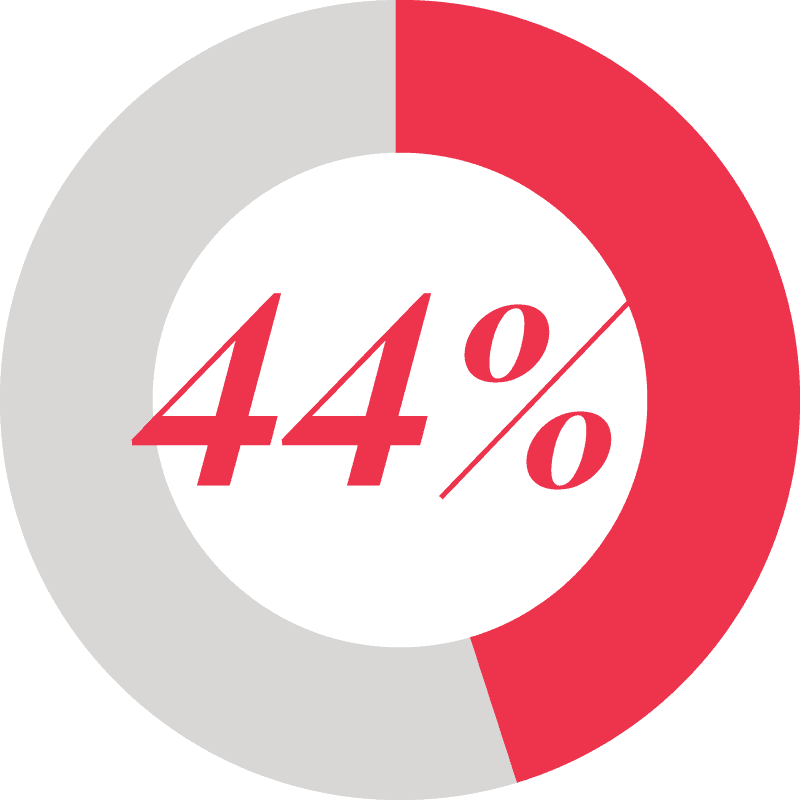
Almost half of gift recipients say excess packaging reflects poorly on the sender.
The first part of a corporate gift someone encounters is often the packaging. They open the shipper, remove the protective materials, and find the gift inside. Each layer becomes part of the experience, including what they have to dispose of afterward.
That experience can affect how recipients view the sender. In the 2026 State of Corporate Gifting Report, 44% of corporate gift recipients agreed that wasteful packaging makes them think less of the person or company that sent the gift.[1]
For packaging designers, sustainability teams, and corporate gift buyers, the finding gives the unboxing experience a place in the conversation about brand reputation.
A gift is a visible expression of appreciation. Its packaging helps deliver that message through protection and presentation. Recipients also experience the time and effort involved in unpacking it and dealing with the materials left behind.
The survey asked people to respond to a statement about wasteful packaging. It left the meaning of wasteful to the respondent. The 44% finding therefore points to a perception that packaging teams can explore through recipient feedback and reviews of the complete package.
Ask people what seemed necessary, what felt excessive, and whether they knew how to dispose of each component. Those answers can help identify friction that is easy to miss when evaluating packaging before shipment.
In PwP’s age-group analysis, 53% of recipients ages 18 to 27 and 51% of those ages 28 to 43 agreed that wasteful gift packaging makes them think less of the sender. Among recipients ages 60 and older, 33% agreed.[2]
Another finding concerns the product itself. When asked what makes a corporate gift feel thoughtful, 21% of urban recipients selected a sustainable or eco-friendly product, as did 8% of rural recipients.[2] That question offers additional context about recipient priorities; it does not measure preferences for particular packaging materials.
These findings give teams reasons to ask more specific questions about the people receiving their gifts. Use direct feedback to guide decisions for your own audience.

Start with a complete sample packed as it will ship. Open it in the same sequence as the recipient and record the purpose of each component. Include the shipping carton, cushioning, gift box, product wrappers, and printed inserts.
Look for opportunities to improve the fit between the contents and the package or simplify layers that duplicate a function. EPA identifies appropriately sized packaging and eliminating unnecessary layers as examples of source reduction.[3]
Test proposed changes against the protection the products need. A presentation box, food wrapper, or protective insert may serve a specific purpose. Review arrival condition alongside material use so that changes support a gift people can receive and enjoy.
Ask suppliers for information about the materials in each component and use it to develop accurate disposal instructions. Check relevant collection requirements before describing how recipients should recycle an item.
If reuse is part of the design, consider a realistic use for the package and whether recipients find that use helpful. Invite feedback rather than assuming everyone will keep a box.
For gifts that give back, packaging is also a place to communicate the people and causes behind the products. A brief maker story can explain the gift’s social impact. Keep environmental statements specific to the packaging and supported by the information available for it.
Before approving a program, agree on how you will assess it. Material weight per shipment, damage reports, and recipient feedback can help packaging and purchasing teams review the results together.
Consider onboarding, work anniversaries, birthdays, team accomplishments, and holiday appreciation. Choose occasions your organization can recognize consistently, then tailor the message to the employee or team.
Read the full report to bring recipient insights into your employee appreciation and milestone gifting plans.
Sources and Methodology
[1] PwP analysis of PwP/Harris Poll survey data. Weighted cross-tabulations of corporate gift recipients ages 18 to 27 (n=176) and ages 60 and older (n=267). The tracker labels these groups Gen Z and Boomers. These are age bands used in the analysis; the 60+ group also includes older generations. S1Q4d measures having felt valued through a thoughtful corporate gift. S1Q5b and S1Q5e combine strongly and somewhat agree. Percentages are weighted and rounded.
Research commissioned by Packed with Purpose and conducted online by The Harris Poll from July 23 to 24, 2026, among 2,007 U.S. adults ages 18 and older, including 1,133 corporate gift recipients. Experiences concern corporate gifts generally and are not attributed to a specific gift source. Findings describe reported experiences and attitudes.