
Packed with Purpose | November 24, 2026
A recipient shares a box of treats with colleagues and mentions the business behind them. Someone takes a gift home and tells their family how its maker creates jobs for people with disabilities. The story becomes part of what they pass along.
The 2026 State of Corporate Gifting Report points to that opportunity: 76% of corporate gift recipients agreed they would be more likely to tell others about a gift if it supported or gave back to a cause or charity.[1]
For CSR and brand marketing teams, the finding offers a practical reason to make the impact behind a gift easy to discover and explain. A recipient who understands the story has something specific to share.
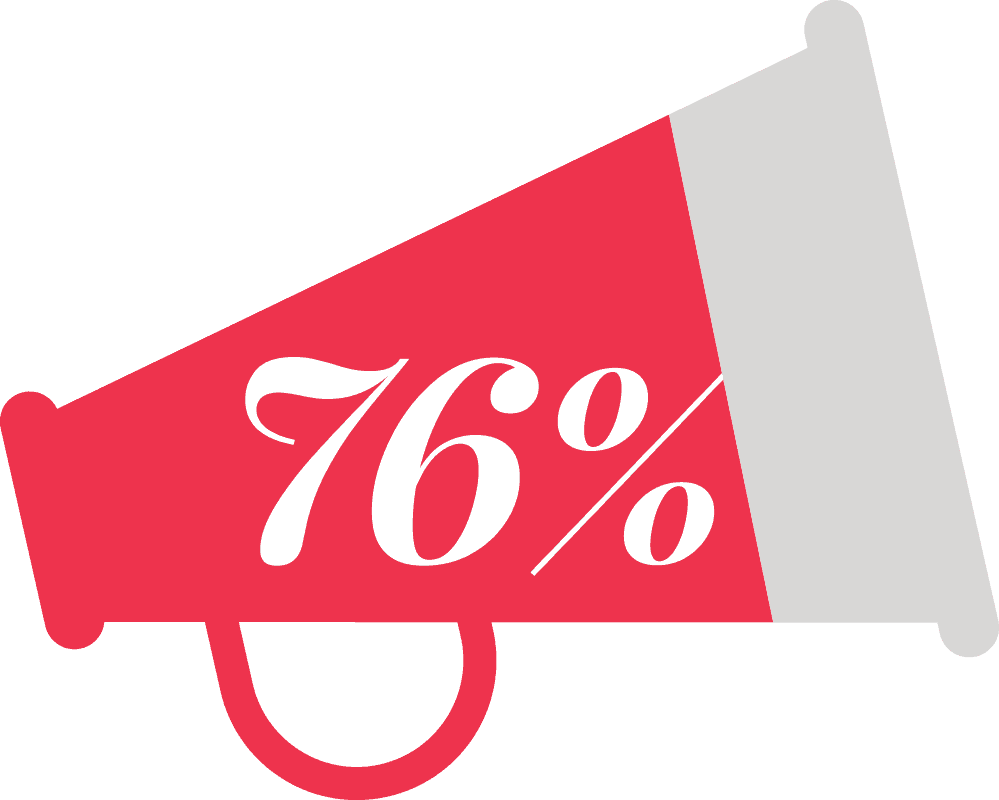
More word-of-mouth buzz when a corporate gift funds a social impact.
A gift with a meaningful story gives people a natural starting point for conversation. The product may introduce them to a small business, a community program, or a maker whose work they want others to know about.
In PwP’s analysis, 84% of recipients ages 28 to 43 agreed they would be more likely to tell others about a gift that gives back. Among recipients ages 60 and older, 72% agreed.[2] Both figures suggest an audience for stories about the people and causes connected to a gift.
The finding measures people’s stated willingness to talk about a gift.
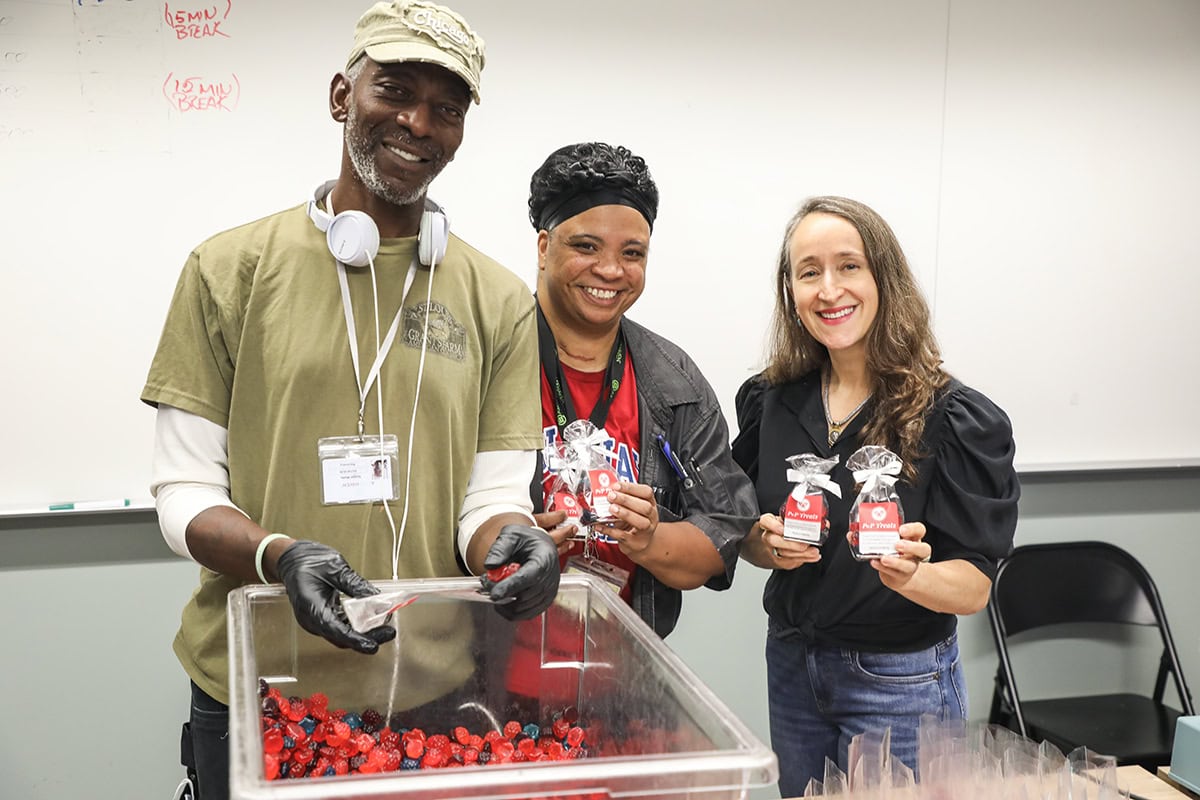
Start with a cause or community your organization has a meaningful reason to support. That might include employment opportunities for veterans, workforce development, or businesses creating opportunities for people with disabilities.
Then look closely at how the product connects to that work. Does its maker employ people facing barriers to work? Does a purchase contribute to a named charitable program? Ask the supplier to explain the relationship and provide details you can use accurately.
Keep the explanation close to the gift. A short message card or booklet can introduce the maker, describe the work, and explain how the product connects to it.
A story about a maker providing paid job training, for example, gives people a clear picture of the impact. Include that detail when it is supported by the maker’s information. If you use a QR code, link to a page where recipients can learn more about the specific partner.
Packed with Purpose includes a Stories of Impact Booklet with its gifts to introduce recipients to the people and causes behind the products. That story accompanies the personal message of appreciation from the sender.
Let recipients decide whether and how to share. The experience should feel complete when someone opens and enjoys the gift. Sharing can happen in a conversation with a colleague or friend, as well as through a social post.
The research also found that 78% of corporate gift recipients agreed they would think more highly of a company that sent a gift supporting or giving back to a cause or charity.[1]
For brand marketers, the practical opportunity is to make the gift consistent with how the company wants to be known. Choose a product the recipient can enjoy, explain its impact clearly, and make the thank-you personal to the relationship.
After the program, review recipient responses and any voluntarily shared stories. Track engagement with partner information if available, and ask what people remembered. Those observations can help refine future gifts and the way you communicate their impact.
Consider onboarding, work anniversaries, birthdays, team accomplishments, and holiday appreciation. Choose occasions your organization can recognize consistently, then tailor the message to the employee or team.
Read the full report to bring recipient insights into your employee appreciation and milestone gifting plans.
Sources and Methodology
[1] 2026 State of Corporate Gifting Report. S1Q5g and S1Q5h, strongly and somewhat agree combined, among corporate gift recipients (n=1,133). Weighted results: 76.2530% and 78.4229%, rounded to 76% and 78%. Research commissioned by Packed with Purpose and conducted online by The Harris Poll from July 23 to 24, 2026, among 2,007 U.S. adults ages 18 and older.
[2] PwP analysis of PwP/Harris Poll survey data. Weighted cross-tabulations for S1Q5g among corporate gift recipients ages 28 to 43 (n=362), 83.6273%, and ages 60 and older (n=267), 72.0283%. Agreement combines strongly and somewhat agree. Percentages are weighted and rounded.