
Packed with Purpose | October 12, 2025
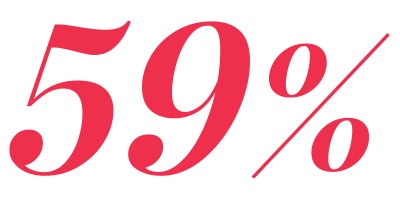
would rather receive no gift than a generic one
Nearly six in ten corporate gift recipients would rather receive nothing at all than a gift that feels generic. That’s a key finding from the 2026 State of Corporate Gifting Report,[1] and a good reason to look closely at what each gift you send communicates.
A more meaningful gift starts with one question: how will it fit into the recipient’s life? A treat they can share with their team, something useful for an activity they love, or a gift connected to a cause they care about all have a clear answer. A generic gift usually doesn’t.
A gift can feel generic when the recipient struggles to see why it was chosen for them. Not every gift needs to be personalized, but it should feel intended for the person receiving it. A food assortment that overlooks known dietary needs, or an item with little connection to how someone works or spends their time, can leave the recipient feeling like an afterthought.
The survey also found that 23% of recipients have re-gifted, donated, or thrown away a corporate gift they received.[1] That figure covers corporate gifts of all kinds. It is a reminder to consider what happens after delivery: will someone enjoy the gift, use it, or want to keep it?
For businesses working with a limited budget, those questions help bring the focus back to the person receiving the thank-you.
There’s encouraging news for teams working with a smaller budget: 84% of corporate gift recipients prefer an inexpensive gift they will actually use over an expensive one they won’t.[2] Focusing on usefulness is a practical way to plan meaningful gifts without overspending.
Start by setting a total budget that includes packaging and delivery, then consider how the recipient will experience the gift. A small assortment of treats suited to their preferences can make an easy afternoon break. A shareable gift can acknowledge the whole team behind a successful project, while one with a mug or other keepsake may feel better suited to a single recipient.
Match the gift to the setting, too. An office gift should be easy to share and store. A gift sent home should suit the individual and arrive with a message that explains the occasion.
Explore the 2026 State of Corporate Gifting Report for more insight into what recipients value.
A branded gift can feel thoughtful when the item is useful, the quality is good, and the message reflects the relationship. When planning, start with the recipient, the occasion, and how the gift will be used.
Your logo tells the recipient who the gift is from. The gift and the message show why you are thanking them. Look for places where branding fits naturally, whether on the product, gift box, or message card, so it complements the gift rather than taking it over.
The message is what makes a gift specific and personal. A note thanking a client team for their collaboration on a recent launch makes the occasion clear. For employees, name the milestone or contribution you are celebrating. That way, you can send the same gift across a group and still make each one feel relevant.
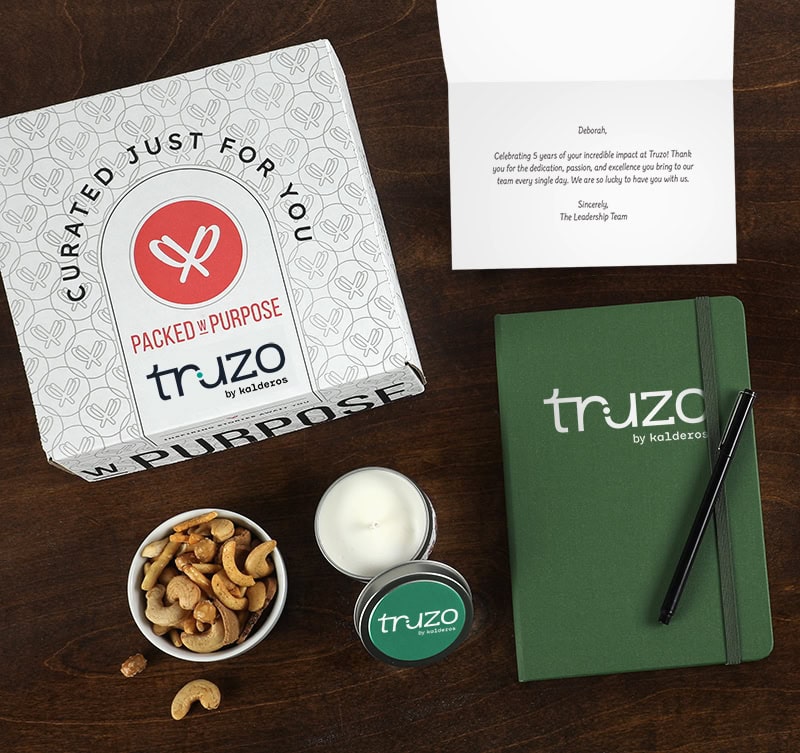
Gifts that give back offer another way to show thought behind your selection. A product can introduce recipients to a small business or an organization creating employment opportunities, giving them a story to enjoy along with the gift.
Packed with Purpose brings that connection into every gift through purpose-driven products and a Stories of Impact Booklet, so the people and causes behind each item become part of the recipient’s experience.
Choose something your recipient will enjoy, explain why you are thinking of them, and when there’s a story behind the gift, share it. When those pieces come together, a gift leaves a lasting impression.
Branded gifts can suit either audience. Choose a product they will enjoy, place branding thoughtfully, and include a message that recognizes the person, team, or occasion.
Read the full report to bring recipient insights into your next client or employee gifting plan.
Sources and Methodology
[1] 2026 State of Corporate Gifting Report, Chapter 1. Research commissioned by Packed with Purpose and conducted online by The Harris Poll from July 23 to 24, 2026, among 2,007 U.S. adults, including 1,133 corporate gift recipients. Percentages are weighted and rounded. The thoughtfulness question allowed multiple selections; the memorability figure combines strongly and somewhat agree.
[2] PwP analysis of PwP/Harris Poll survey data. Odds ratio derived from a weighted binary logistic regression model run on the full recipient base (n=1,133). Analysis conducted by Packed with Purpose. This is the analysis identified by the double-dagger footnote on the report page.